
The Courage to Speak Authentically
Why we shut down vulnerability — and why returning to it unlocks real freedom. (Estimated Reading Time: 4 minutes)
Vulnerability is one of the most natural states of being. As children, we cry when we’re hurt, laugh when we’re delighted, and ask for comfort without hesitation. But somewhere along the way, many of us learn that openness comes at a cost. Maybe we were ridiculed, dismissed, or told we were “too much.” Maybe love or safety felt conditional. Slowly, piece by piece, we begin to armor up.
That armor helps us survive — but it also isolates us. We stop letting people see who we really are. We might become the caretaker, the achiever, the “always fine” one, or the invisible one. Deep down, though, the part of us that longs to be known never goes away.
Why We Shut Down Vulnerability
When vulnerability is met with pain, our nervous system encodes a simple rule: it’s not safe to show myself. Over time, that rule becomes automatic, guiding how we interact in relationships, at work, and even with ourselves.
As Brené Brown writes in Daring Greatly, “Vulnerability sounds like truth and feels like courage. Truth and courage aren’t always comfortable, but they’re never weakness.” Yet when our earliest experiences equated openness with hurt, the brain wires for protection, not connection.
The Fear of Coming Back
Reopening takes courage because it feels like walking into the unknown. At first, vulnerability can feel like stepping into the cold without your coat — exposed, shaky, even unsafe. The body may flood with old fear or shame.
But here’s the paradox: the more you practice vulnerability in safe spaces, the more you realize it isn’t weakness at all — it’s the gateway to closeness, authenticity, and peace. It’s power.
Peter Levine, in Waking the Tiger: Healing Trauma, explains how safety and openness are biological states, not abstract ideas. When we allow ourselves to be truly seen, our nervous system relaxes, our body softens, and connection becomes a form of regulation.
The Gift on the Other Side
On the other side of vulnerability is freedom — the freedom to be messy, honest, and human. Relationships deepen, work becomes more meaningful, and your inner world feels less fractured. Vulnerability allows love, creativity, and joy to flow because you’re no longer hiding.
As you return to vulnerability, it may feel like shedding heavy armor you didn’t realize you were carrying. The first steps are tender, but the relief that follows is immeasurable.
Healing Takeaway
Protective walls may have once kept you safe, but they are not where you thrive. Vulnerability may feel shaky at first, but it is the soil where true connection and wholeness grow. By daring to be seen again, you open yourself to the life you were always meant to live.
The links below are affiliate links. As an Amazon Associate I earn from qualifying purchases — at no extra cost to you. Your support helps me keep this space alive, continuing research, translating it to share this work, bringing you inspiration and growing. Any and all of your support is greatly appreciated.
References & Recommended Reading
- Brené Brown, Daring Greatly - Shows how choosing vulnerability transforms the way we live, love, parent, and lead.
- Peter Levine, Waking the Tiger: Healing Trauma - A body-based approach to releasing trauma and restoring natural healing rhythms.
- Stephen Porges, Polyvagal Theory - Introduces the science of the vagus nerve to explain safety, connection, and emotional regulation.
- Gabor Maté, The Myth of Normal - Exposes how modern society breeds illness, and how reclaiming wholeness begins with awareness.
With care from my heart to yours,
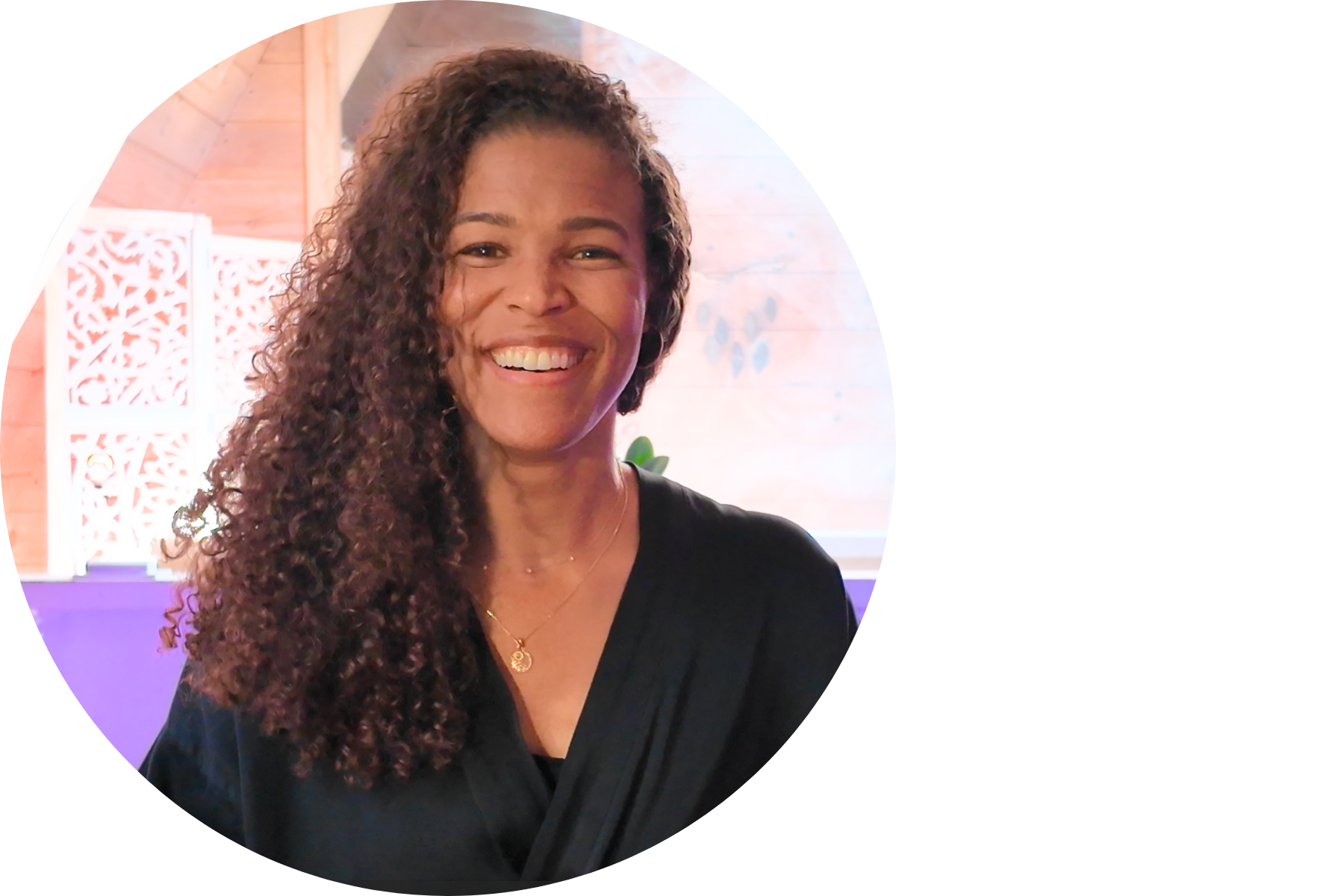
Shannon
Shannon Sanguinetti M.Sc. | Founder of Repor - Where Science Meets Soul